Please Login To Continue
Microlearning: A Military Perspective on Child Abuse and Neglect (Self-Paced)
A Military Perspective: Child Abuse and Neglect Reporting on BaseThis course provides an overview of processes related to the reporting and investigation of child abuse and neglect. It acknowledges the unique stressors and issues that may impact military personnel. This course was developed in collaboration with Valerie Armstrong, Family Advocacy Officer at Offutt Air Force Base.
$0.00
Microlearning: Interpreting vs. Translating (Self-Paced)
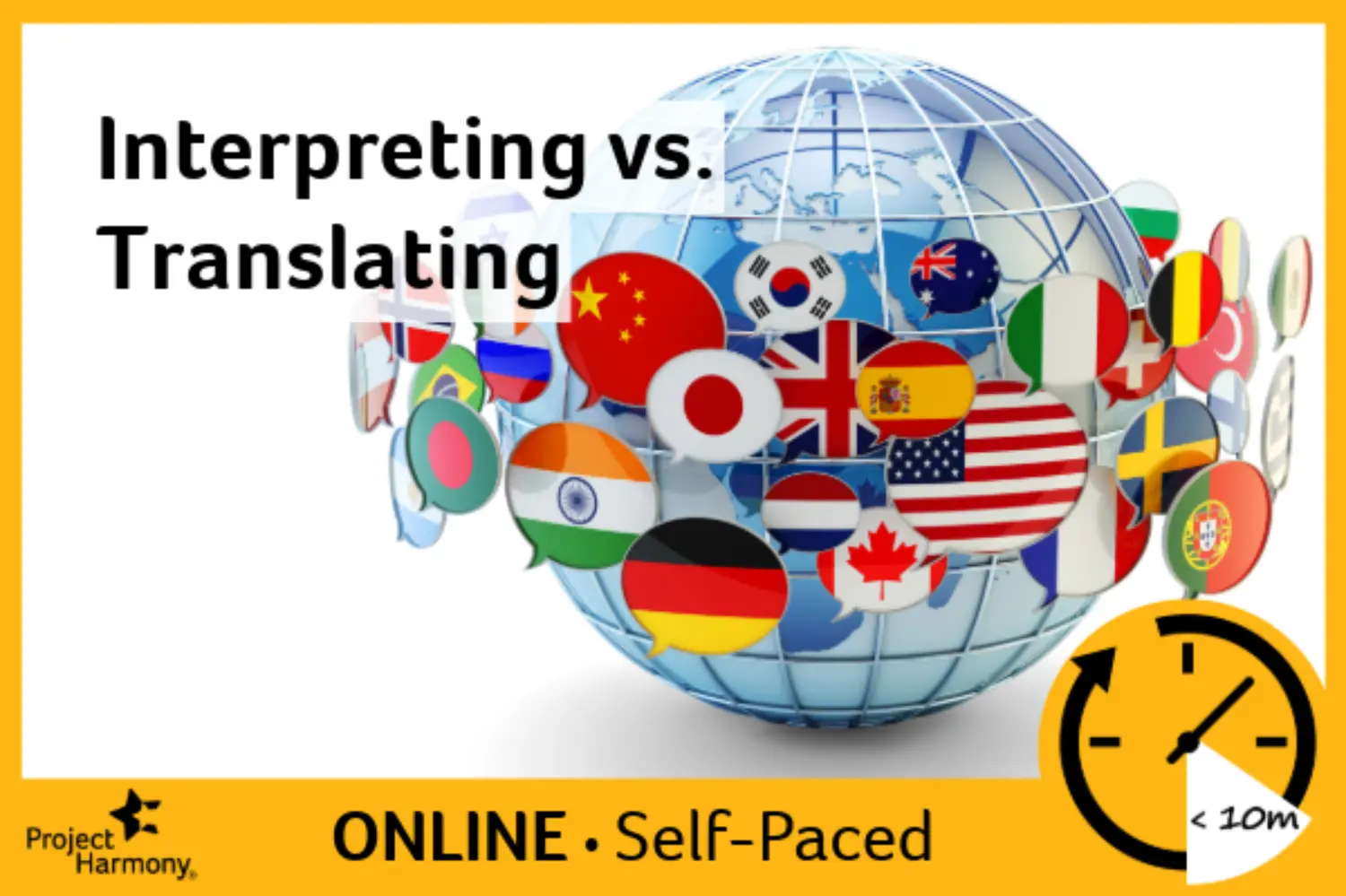
Every family has the right to be heard, understood, and informed, particularly in settings of healthcare, justice, and therapy. Access to language services begins with knowing which service you need in what scenario. This session focuses on the differences between interpreting and translating and offers resources for obtaining this kind of assistance.
Microlearning: Stages of Change (Self-Paced)
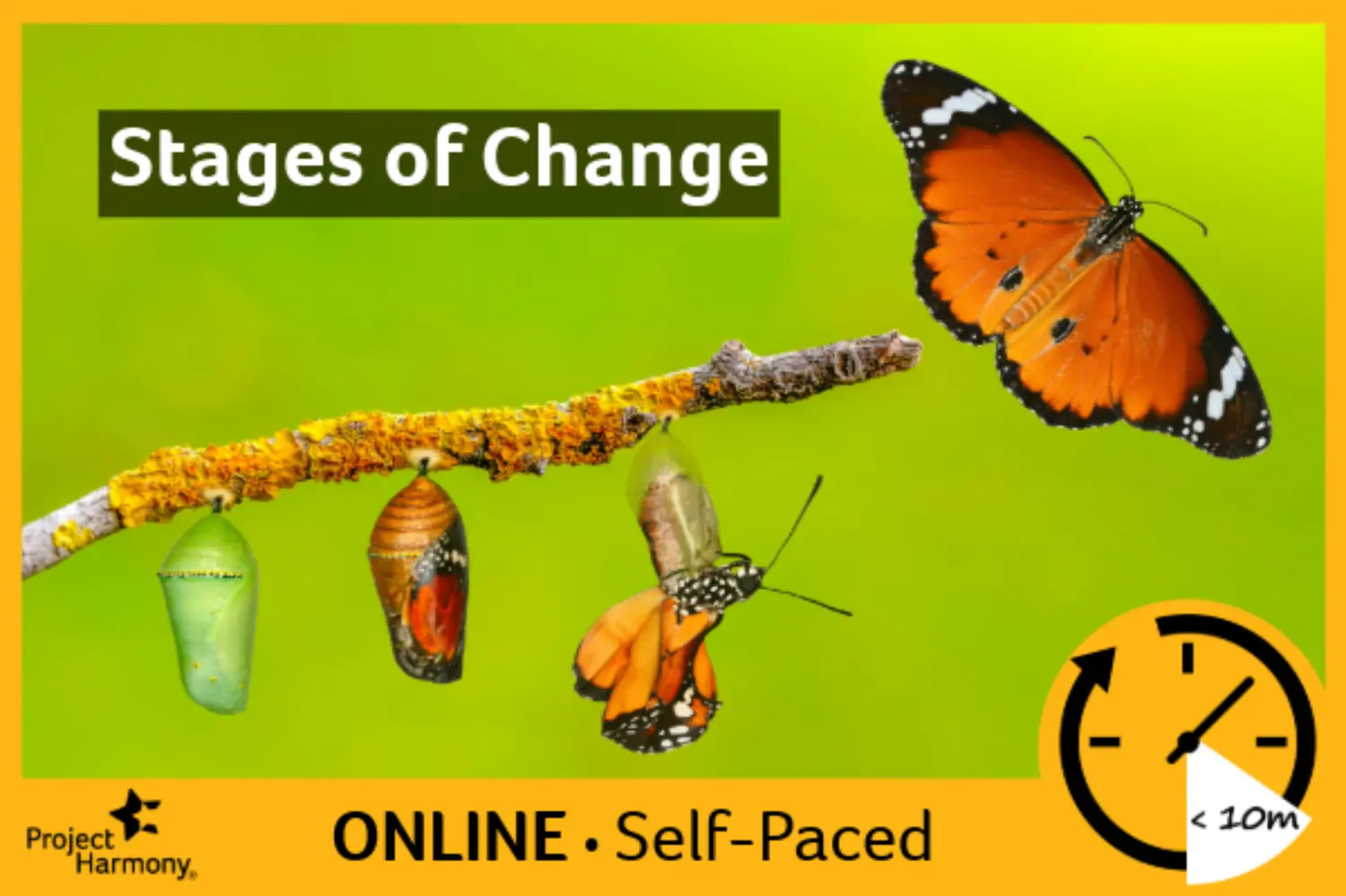
The stages of change are a defined progression of attitudes and actions surrounding some kind of long-term change. These can be applied to workplace dynamics, personal goals, parenting, and more. Learn the vocabulary associated with these stages as a precursor to learning the nuances of behavioral change and ambivalence in Ready, Set, Change!
Microlearning: What is a CAC? (Self-Paced)
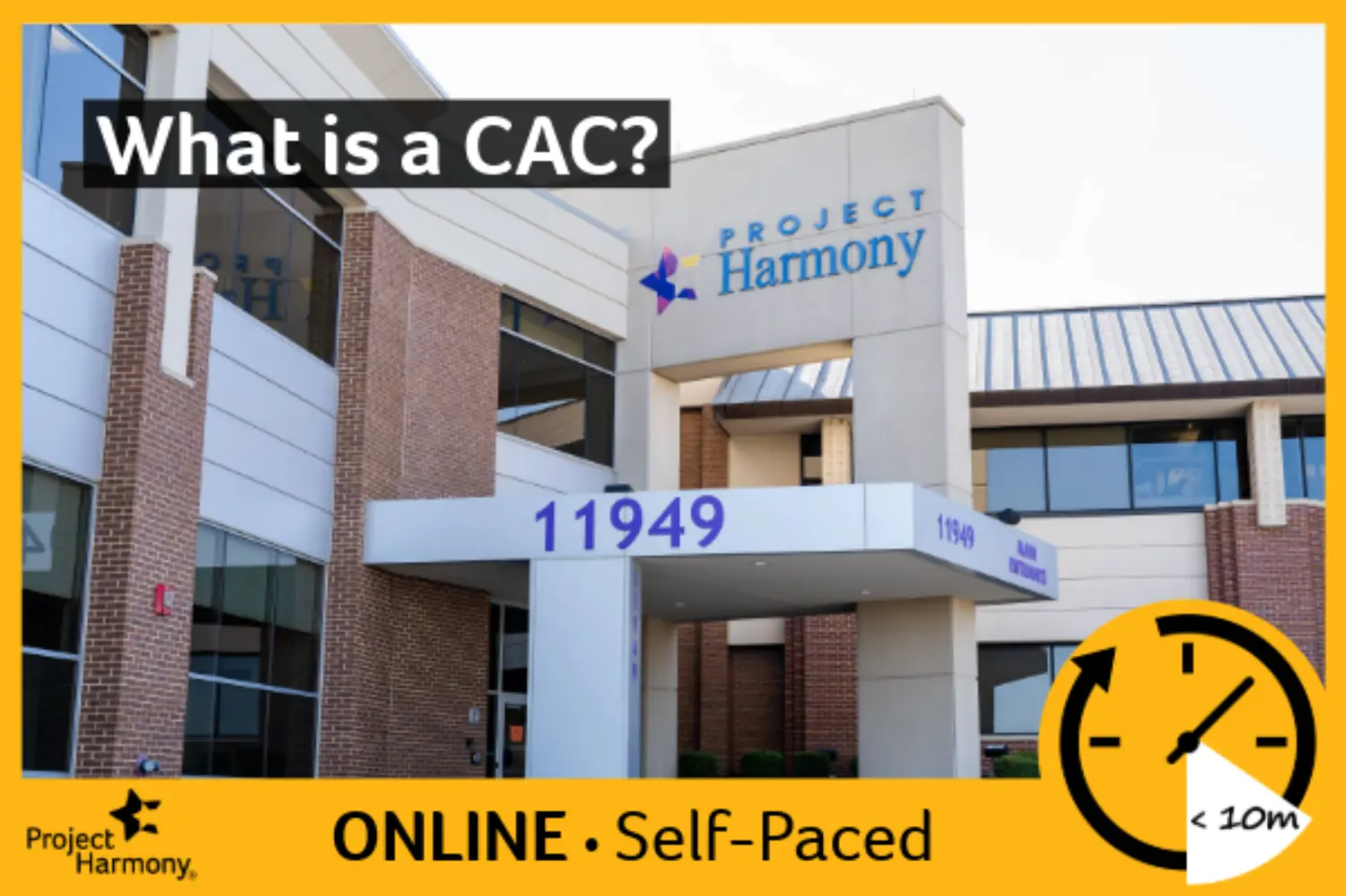
Watch this brief video to gather high-level information about what a Child Advocacy Center does on a daily basis and the hope CACs offer to families.
Microlearning: Anti-Trafficking Efforts in Omaha (Self-Paced)
Human trafficking isn’t just a headline in far-away cities – it’s happening right now, in our neighborhoods, schools, and even the heartland communities we call home, at rates that should shock every one of us. But there’s hope. Through a powerful partnership between Project Harmony and the Omaha Police Department, dedicated professionals are on the front lines every day—spotting the warning signs, reaching at-risk kids before traffickers do, earning their trust the hard way, and fighting to connect these brave children and their families with the life-changing support they desperately need. This course puts you in the middle of that fight. You’ll learn exactly how this collaborative, trauma-informed approach works, the real-world strategies that save lives, and how you can become part of the solution that protects our kids and shuts traffickers down. Join us. Because every child deserves someone who sees them, believes them, and refuses to look away.
Microlearning: Young Children in Child Welfare - Fact vs. Fiction (Self-Paced)
It's easy for myths and rumors to circulate. But when it comes to the well-being of children, especially those who have endured trauma, Project Harmony wants to set the record straight. Can you sort out the facts from fiction?
Microlearning: How to Recognize and Overcome Bias (Self-Paced)
In this course, you’ll look at the brain functions that cause bias, and the real and harmful consequences of even unintentional bias. You’ll also learn about common bias types. Finally, you’ll get strategies to break out of these mental habits and enjoy a more productive, engaging workplace and community. By bringing awareness to our unintentional assumptions, we can address and overcome the effects of implicit bias.
Microlearning: What Can I Say When a Child Tells Me About Abuse or Neglect? (Self-Paced)
This microlearning will identify five basic questions to ask or deduce when a child discloses abuse or neglect. The answers to these questions equip that trusted adult to call the Abuse and Neglect Hotline or 911. Learners should be able to reason why these are appropriate and envision how they would act in this kind of situation.
Microlearning: Window of Tolerance (Self-Paced)
Sometimes you're able to catch every curveball that comes your way. Other times, something basic (like dropping your keys) can be the last straw. See how the Window of Tolerance for Stress can fluctuate and impact your day, as well as other people's day.
Microlearning: Culture Shock (Self-Paced)
On an average day, it's easy to take one's native culture for granted. Clients, coworkers, and collaborators could be out of their element and be navigating through culture shock. Unpack this subconscious phenomenon and adopt compassionate strategies to work effectively with someone in an unfamiliar environment.
Microlearning: Building Trust with Speech Interpreters (Self-Paced)
Inclusive communities make a way for people from every walk of life to have access to the things they need. This includes mental health care. Individuals at the intersection of language needs and mental health needs could benefit greatly from increased collaboration between interpreters and therapists.
Microlearning: Preparing for a Tough Conversation (Self-Paced)
No one loves having a tough conversation at work—but most of us have had to do it. Because it’s so common, knowing how to navigate a sensitive discussion effectively is essential. In this lesson, we will focus on the preparation ahead of a tough conversation.
Microlearning: Safe Arrival for Home Visits (Self-Paced)
Home visits are a common part of case management duties. In this microlearning, we point out observations to take in from the moment you arrive at a client's address to entering the home. Being mindful and alert throughout the entire appointment is essential, but this lesson only covers recommendations for the arrival portion.
Microlearning: Youth Fire Setting in the Heartland (Self-Paced)
Youth Fire Setting impacts a community in many ways. Project Harmony and Omaha Fire Department are committed to addressing this problematic trend and reducing those tragic impacts. In this microlearning, we will illuminate the facts of our current situation, explore reasons why this is a trend, and then focus on how to prevent it.
Microlearning: Intro to Online Safety (Self-Paced)
Children need help navigation the online world, the same way they do the offline world. Come learn some foundational principles to handle this challenging topic. This training is brought to you thanks to the generous support of The John K. and Lynne D. Boyer Family Foundation.
Microlearning: Poverty is Broader than the Bank Account (Self-Paced)
Poverty is multifaceted in every community. It goes beyond one's financial net worth. Deconstruct assumptions about poverty, first, by identifying and defining the different types of poverty. Then, compare and contrast these elements in urban and rural settings. Finally, go forth with compassion.
Microlearning: Workplace Well-Being (Self-Paced)
Times are tough, and the demands on individual employees in America seem endless. On this side of The Great Resignation, the U.S. Surgeon General recognized the toll on Americans' health and well-being. In this microlearning, unpack the variables in and out of your control to affect wellness and longevity at work.
Microlearning: Recognizing and Avoiding Traps in Client Relationships (Self-Paced)
In Project Harmony's "Navigating Discord" training, you'll embark on a journey to understand the intricacies of client interactions and the pitfalls that can disrupt these relationships. Through this microlearning, explore common traps, recognize the related challenges, and analyze your own reactions and adjustments in these situations. By the end, your newfound knowledge will empower you to evaluate client relationships introspectively and develop strategies to navigate these interactions more effectively, ensuring a smoother, more productive relationship with your clients.
Microlearning: Social Media and the Adolescent Brain (Self-Paced)
In this microlearning session, you'll explore how the teenage brain responds uniquely to social media. You'll also discover important areas to safeguard as your adolescent navigates their social media experience.
Microlearning: Positive Childhood Experiences (Self-Paced)
Trauma experts have been studying Adverse Childhood Experiences for many years, but more recent research has analyzed the impacts of Positive Childhood Experiences.